
L’Effet Papillon is a caterer with a philanthropic vocation. We use part of our profits to finance nutritional help and access to drinking water projects to help people in need in Switzerland and internationally.
Each year we offer our clients 3 projects and they decide which one they wish to support through their event. These projects are renewed annually.
Here are the 3 projects we are currently supporting:
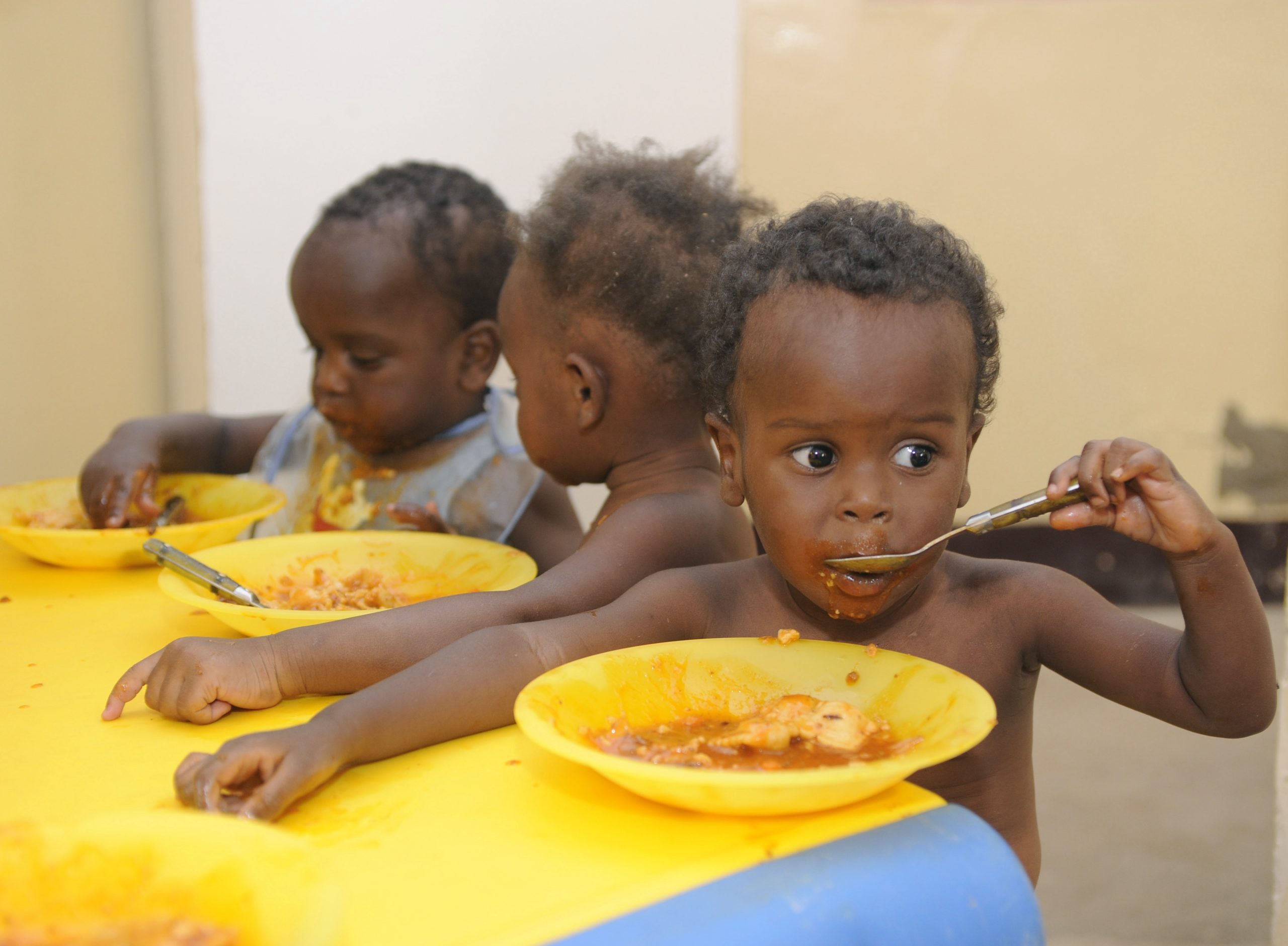
Bessada, Tchad
Goal: Preventing Child Malnutrition by Promoting Good Nutritional Practices
In Chad, 1.7 million children suffer from malnutrition. In Bessada, Morija is working to change this. Every year, pregnant women and mothers participate in workshops and learn to prepare nutritious porridges using simple, inexpensive, and locally sourced ingredients.
They also discover the importance of breastfeeding to protect their babies from the very first days. This knowledge, once passed on, becomes life-saving habit and creates a lasting impact.
With CHF 150 to support a group of 30 women for a year, the project is growing and reaching more and more families. Since each mother has an average of five children, this translates to nearly 5,500 children whose health is sustainably improved.
Morija is a Swiss association that has been helping impoverished populations, primarily in sub-Saharan Africa, since 1974. This program, launched in Chad in 2023, demonstrates that even small gestures can transform lives, now and for a long time to come.
To learn more: https://www.morija.org/
and “Infant and Young Child Feeding” Program
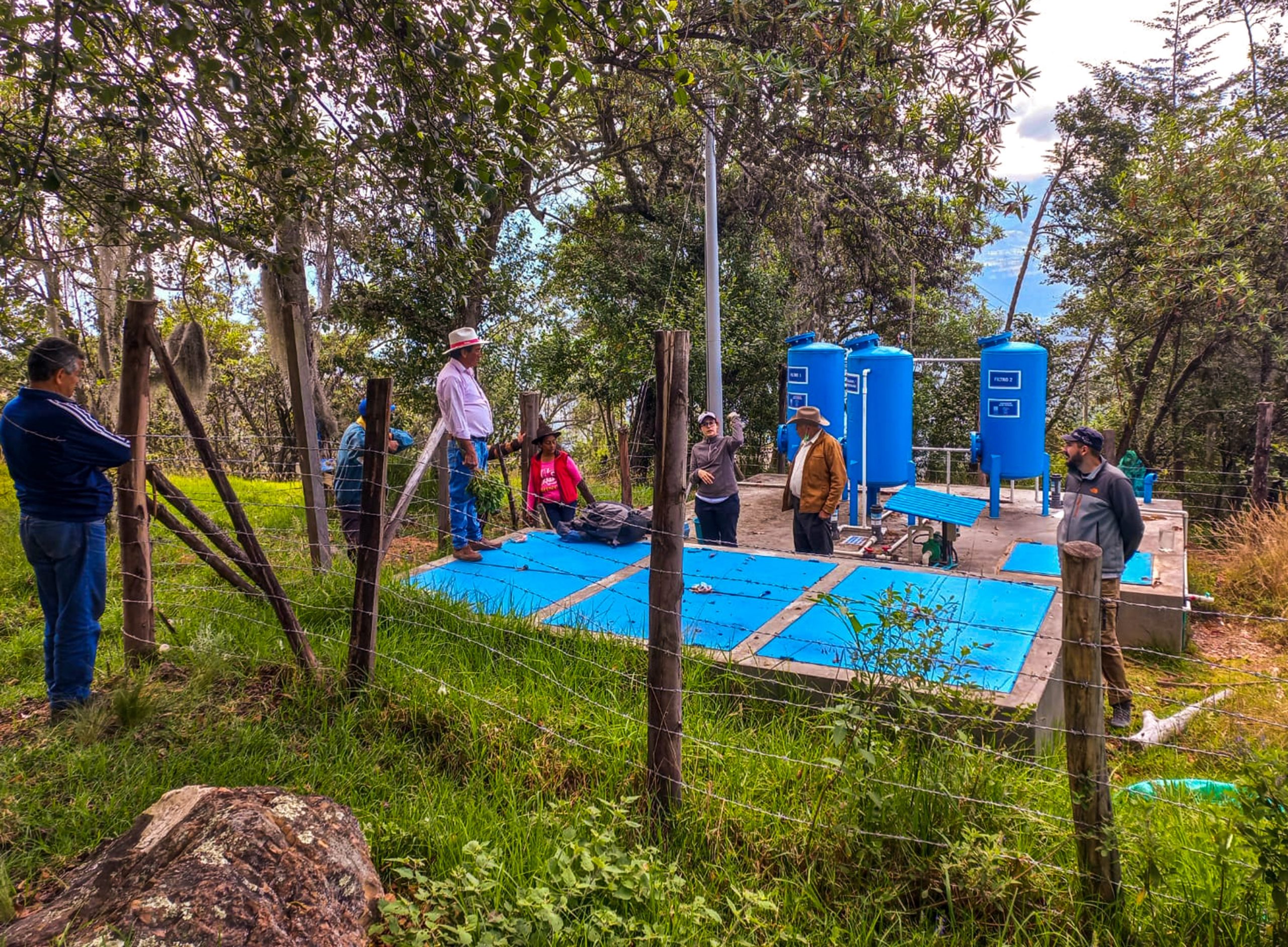
Buenaventura, Colombia
Goal: community aqueducts management that guarantee the human right to water
In Colombia, in rural and peri-urban areas where the state is often absent, communities are organizing themselves into collectives and building their own drinking water infrastructure: community water systems. The country has approximately 16,000 community water systems that provide water to nearly 11 million people, yet they are threatened by pollution, resource exploitation, and climate change.
The collectives have limited resources to address these challenges. This project supports these communities in developing sustainable solutions adapted to their specific contexts.Thanks to simple tools, they can analyze water quality, monitor environmental impacts, and mobilize against threats.
Special attention is paid to women, who play a central role in water management but often remain undervalued. With CHF 100, it is possible to provide these precise drinking water quality assessment tools.
For more information on the project: https://emp-act.ch/gestion-communautaire-garante-du-droit-humain-a-leau/
About emp’ACT:
For over 40 years, emp’ACT has supported local initiatives in West Africa and South America, co-creating solidarity projects led by civil society. The NGO works for environmental justice and access to water, food and energy sovereignty, as well as women’s empowerment and rights. In Switzerland, emp’ACT raises awareness and advocates for solidarity-based public policies.
More information: www.emp-act.ch
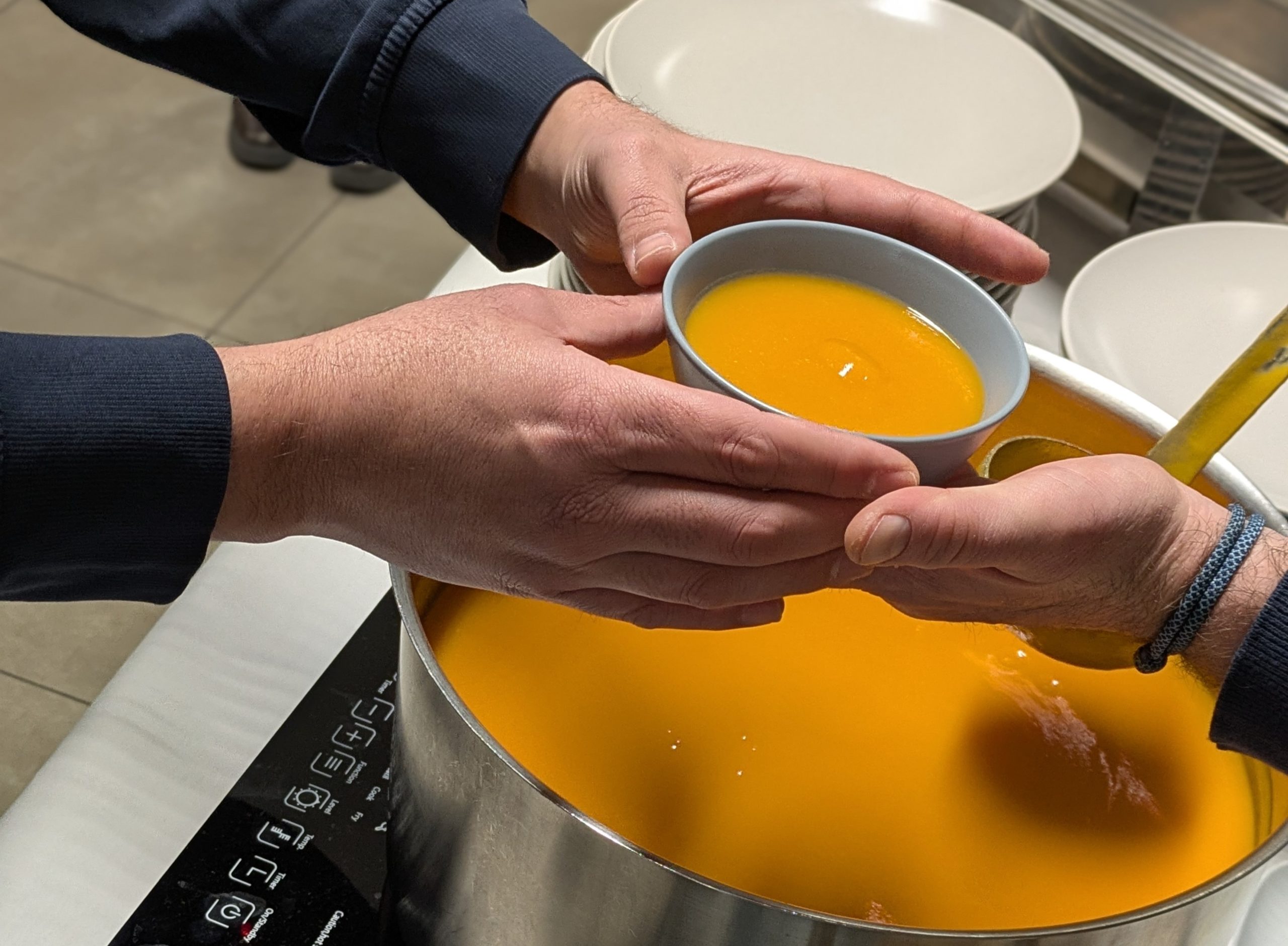
Geneva, Switzerland
Goal: To organize hot, dignified, and comfortable meals to offer a convivial moment to people in precarious situations.
Les Ailes du Papillon is a solidarity project born in Geneva, run by the association L’Effet Papillon, with a simple yet powerful ambition: to offer a hot, dignified, and convivial meal each week to people experiencing extreme hardship
Every Monday evening, beneficiaries are welcomed with a full meal, served at tables, in a calm and respectful setting in a community hall in Meyrin. Beyond the nutritional aspect, these meals are designed as a genuine moment of respite, a chance to pause, and a chance to connect with others, where everyone is received with consideration and kindness.
The project relies on a team of dedicated volunteers, supervised by professionals, and is based on a rigorous approach to organization, safety, and adherence to clear rules, ensuring a welcoming and peaceful experience for all.
Rooted locally, the project is part of a broader vision of sustainable solidarity, where food becomes a tool for dignity, human connection, and social cohesion.